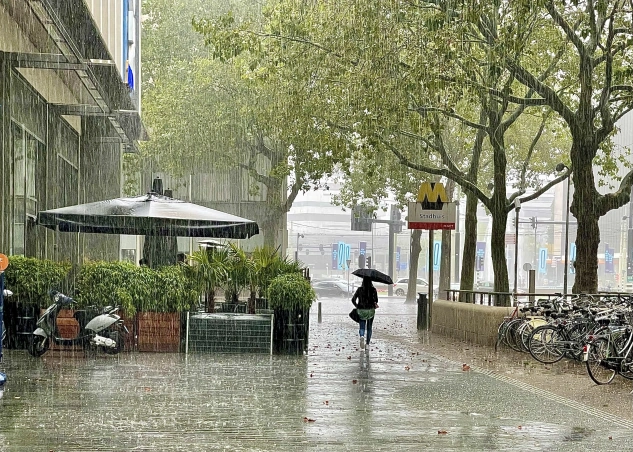
When heavy rain hits a city, it usually has two choices: soak into the ground or run off hard surfaces and rush into storm drains.
Urban forests tilt the balance toward soaking instead of flooding.
Trees are like tiny stormwater systems: they catch rain up top, slow it down on the way down, and help the soil drink more of it in.
Here’s how that works.
Urban forests help with flooding in three main ways:
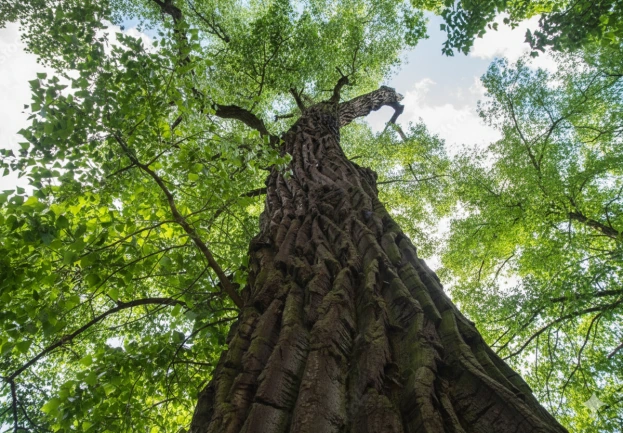
Every leaf and twig is a landing pad for raindrops.
When rain falls onto a tree canopy:
That delay matters. Slower water hitting the ground = less instant runoff and less pressure on storm drains during those first intense minutes of a storm.
Trees also change the soil under and around them.
Compare two situations in a downpour:
The tree basin will take in more water and shed less into the street.
Along creeks, canals, and drainage ways, tree roots:
Without roots, fast-moving stormwater can chew away at bare banks and send even more sediment and debris downstream.
Do urban forests help with flooding? Yes.
Can they solve every stormwater problem by themselves? No.
Cities still deal with:
Urban forests are one piece of what planners call green infrastructure—working alongside rain gardens, bioswales, detention ponds, and traditional pipes and culverts.
But when you combine trees with better drainage design, you get:
That’s one of the reasons urban forestry now shows up in stormwater and climate plans, not just parks brochures.
Even at the single-lot scale, your trees can help with localized flooding and soggy spots.
For practical tips on keeping those trees healthy (so they can keep doing stormwater work), check out Tree Care 101.
Yes, urban forests help with flooding—by catching rain, slowing it down, and giving the ground a better chance to soak it up.
They won’t replace pipes, culverts, and engineered drainage, but they can:
Plant enough trees, care for them well, and suddenly your city’s biggest flooding ally isn’t a concrete channel—it’s the canopy over your head.