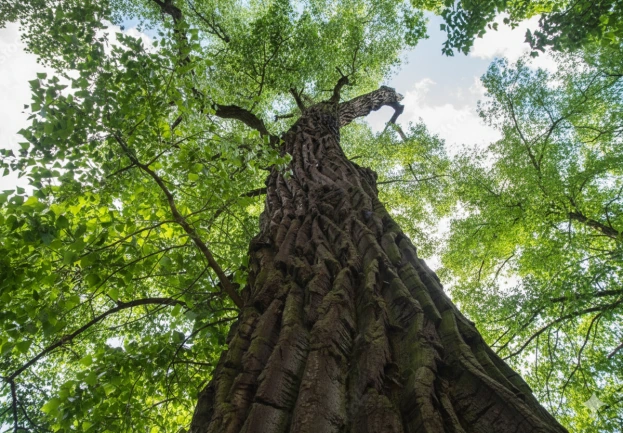
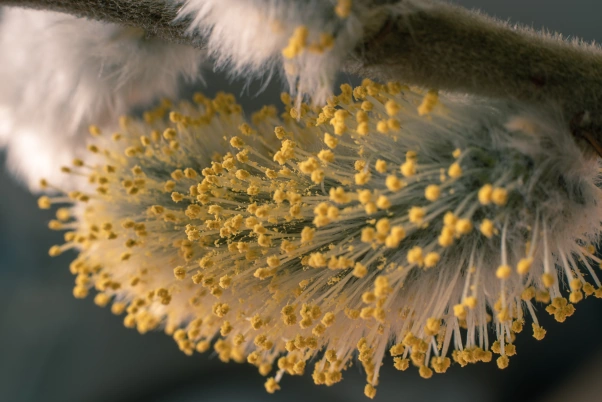
Cottonwoods are one of the most recognizable native trees along the Front Range. If you’ve ever walked a creek trail in Denver in late spring with “summer snow” blowing around you, you’ve experienced their work up close.
These big, fast-growing shade trees helped shape our river corridors, shelter wildlife, and cool neighborhoods long before there were streets and sidewalks.
“If you live near a creek or drainage in Denver, there’s a good chance a cottonwood helped build that landscape.”
What Makes Cottonwoods “Native” to Denver?
When we say cottonwoods are native, we mean they evolved here long before lawns, irrigation systems, or imported ornamentals. Plains cottonwood (Populus deltoides) naturally grows along rivers, streams, and low areas where:
- Water tables are relatively high
- Soils are deep and often silty or sandy
- Seasonal flooding deposits fresh sediment
Because they’re adapted to this environment, cottonwoods:
- Grow quickly when water is available
- Tolerate periodic flooding
- Recover well from minor damage or storm stress
In short, they’re built for Colorado’s riparian corridors.
Where Cottonwoods Thrive in the Denver Area
You’ll see cottonwoods most often:
- Along the South Platte River and its tributaries
- In drainage ways, greenbelts, and open space corridors
- Around older farms and homesteads where water access was reliable
They’re less comfortable in:
- Very dry, compacted, or shallow soils
- Tight urban planting strips with limited root space
- High-traffic areas where roots are regularly cut or damaged
When cottonwoods are squeezed into the wrong space—like a tiny tree lawn between sidewalk and curb—their natural strengths can turn into problems.
Benefits of Cottonwoods in the City
Despite their reputation for being “messy,” cottonwoods bring a lot to an urban forest:
- Fast shade: They create meaningful shade in a fraction of the time slower species need.
- Wildlife habitat: Their branches host birds, insects, and cavity-nesting species; fallen limbs and logs enrich habitat on the ground.
- Bank stabilization: Deep, extensive root systems help hold soil along creeks and canals.
- Cooling effect: Tall canopies over water and trails reduce heat and improve comfort on hot days.
In a warming climate, those cooling and shading benefits are more valuable than ever.
Common Issues With Mature Cottonwoods
The same traits that make cottonwoods successful can cause trouble in a neighborhood setting if they’re not managed well.
Typical concerns include:
- Large, heavy limbs: Once branches extend over homes, driveways, or play areas, failure can cause serious damage.
- Shallow, spreading roots: Roots can lift sidewalks, invade old sewer lines, or make mowing difficult.
- Mess and debris: Leaves, twigs, and seed fluff can clog gutters and irritate some homeowners.
- Age and decline: Older cottonwoods in dry or compacted soils may develop internal decay, dead tops, or structural defects.
None of this automatically means a cottonwood has to go—but it does mean it deserves regular inspection by a qualified arborist.
Should You Plant a Cottonwood in Your Yard?
In many standard city lots, a full-size plains cottonwood is simply too big. But that doesn’t mean cottonwoods have no place in residential landscapes.
Cottonwoods can be a good fit when:
- You have a large property with room for roots and canopy
- There’s access to reliable moisture (ditch, creek, or irrigation)
- You want fast shade and understand the long-term maintenance needs
They’re usually a poor choice when:
- The planting strip is narrow or crowded with utilities
- The tree would quickly grow over neighboring homes or power lines
- You want a “low-mess, low-maintenance” ornamental tree
If you like the look of cottonwoods but don’t have the space, an arborist can recommend more compact native or adapted species that behave better in tight urban settings.
Caring for Existing Cottonwoods
If you already have a cottonwood, good management can greatly extend its safe, useful life.
Key practices include:
- Regular inspections: Have a certified arborist evaluate structure, decay pockets, and past pruning cuts every few years.
- Thoughtful pruning: Remove dead, weak, or poorly attached branches before they fail—never “top” a cottonwood.
- Protecting the root zone: Avoid trenching, soil compaction, or heavy construction close to the trunk.
- Supplemental watering: During prolonged drought, deep watering in the root zone can reduce stress and decline.
In some cases, selective pruning and cabling can reduce risk and buy years of safe shade for a mature tree.
When Removal or Replacement Makes Sense
There are times when removal is the safest option, especially if a cottonwood:
- Has major structural defects over a target like a home or driveway
- Shows extensive decay or hollowing in the trunk or main stems
- Is growing directly into power lines or critical infrastructure
- Is simply too big for the available space
When that happens, a professional removal followed by a thoughtful replanting plan can keep your property shaded and your landscape healthier in the long run.
The Role of Cottonwoods in Denver’s Urban Forest
Even if you never plant one in your own yard, cottonwoods are a big reason Denver’s creek corridors feel like real forests instead of bare channels.
They:
- Anchor riparian ecosystems
- Support migratory birds and local wildlife
- Provide fast shade along trails and open spaces
With smart placement, regular care, and a little respect for their size and needs, cottonwoods can continue to be a vital part of our urban forest—without becoming a hazard in our neighborhoods.