The 3-30-300 rule is one of the simplest ways to explain what a healthy, people-friendly urban forest should look like.
It’s not a law, and it’s not a perfect formula—but it is a powerful rule of thumb that cities, planners, and neighborhoods are starting to use when they talk about trees, shade, and access to green space.
The 3-30-300 rule says: see 3 trees from home, live in a 30% tree canopy neighborhood, and be within 300 meters of a park or green space.
In this guide, we’ll break down what each number means, where the idea comes from, and what you can actually do with it on the ground.
What Is the 3-30-300 Rule?
The 3-30-300 rule is a simple guideline used in urban forestry and city planning to describe minimum, people-centered access to trees and green space:
- “3” – You should see at least 3 trees from your home.
- “30” – Your neighborhood should have at least 30% tree canopy cover.
- “300” – You should live no more than 300 meters (about a 5-minute walk) from a public green space.
It’s a way of turning the big, abstract idea of urban forestry into something you can picture:
- Your window view
- Your street and block
- Your nearest park or trail
Instead of just saying “we need more trees,” the 3-30-300 rule gives specific, measurable targets.
The “3” – Three Trees From Your Home
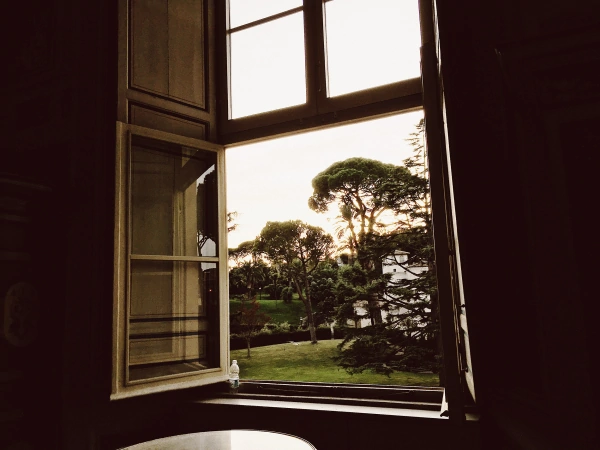
Goal: From your main living space (often a window at home or work), you should be able to see at least three trees.
Why it matters:
- Views of trees are linked to lower stress, better focus, and improved mental health.
- Trees close to buildings can provide shade, reduce glare, and cut cooling costs.
- A green view can make even dense areas feel calmer and more livable.
What this often looks like in practice:
- One tree in your front yard
- One in the neighbor’s yard
- One along the street or in a nearby courtyard
You don’t have to personally own all three. The point is that you’re visually connected to the urban forest around you.
The “30” – Thirty Percent Tree Canopy in Your Neighborhood
Goal: Your neighborhood should have at least 30% tree canopy cover.
“Canopy cover” is the percentage of ground shaded by tree crowns when viewed from above. In a 30% canopy neighborhood:
- Streets have noticeable shade
- Yards and small parks contribute to the tree cover
- The area feels generally “green” rather than bare
Why 30%?
- Below that, many neighborhoods struggle with heat, glare, and hard, reflective surfaces.
- Around or above 30%, trees start to make a real dent in urban heat islands, stormwater, and air quality.
This is where urban forestry planning kicks in: cities look at maps and ask:
- Which areas are already close to 30%?
- Which neighborhoods are down at 5–10% and roasting in summer?
- Where should we prioritize planting and protection?
The “300” – Green Space Within 300 Meters
Goal: Everyone should live within 300 meters (about 1,000 feet or a 5-minute walk) of a public green space.
That could be:
- A park or playground
- A public garden or plaza with trees
- A greenway or trail corridor
- A natural area or open space
Why it matters:
- Easy access to green space encourages walking, biking, and time outdoors.
- Regular contact with nature supports mental and physical health.
- Local parks and trails become hubs for community life, not just “extra” amenities.
Trees in parks and green spaces are also part of the urban forest, working together with street trees and yard trees to cool and clean the city.
Why the 3-30-300 Rule Caught On
Cities and professionals like the 3-30-300 rule because it:
- Is easy to remember
- Focuses on people’s experience, not just abstract canopy percentages
- Connects individual trees and landscape planning in one framework
- Helps communicate the goals of urban forestry to non-experts
It doesn’t replace detailed tree inventories or climate models, but it gives:
- City leaders a quick way to set direction
- Neighborhoods a simple checklist for advocacy
- Homeowners a language to talk about shade, trees, and access to green space
How Cities Can Use the 3-30-300 Rule
Urban foresters, planners, and city staff might use the rule to:
- Map where the city is meeting or missing the targets
- Set canopy goals by neighborhood, not just citywide averages
- Prioritize tree planting and park creation in hotter, low-canopy, under-served areas
- Guide development rules (tree requirements for new projects, parking lots, and streetscapes)
Examples of questions a city might ask:
- How many residents can see 3 trees from their home right now?
- Which census tracts are below 30% canopy, and how does that align with income and heat data?
- How many people live farther than 300 meters from any green space?
That’s urban forestry in action—treating trees as infrastructure that needs planning, budgets, and maintenance.
How Neighborhoods and HOAs Can Use It
At the neighborhood level, the 3-30-300 rule becomes a practical checklist:
- Do most homes have at least a few trees in view?
- Does our block or HOA feel generously shaded or mostly bare?
- Is there a park, greenbelt, or trail within a short walk?
If the answer is “no” to any of those, you’ve got a clear direction:
- Organize street tree planting projects
- Advocate for new trees in medians, parking strips, and common areas
- Push for park improvements or new green spaces in planning meetings
- Protect mature trees when development or road work is proposed
How Homeowners Can Use the 3-30-300 Rule
Even though the rule is big-picture, you can apply it at your own front door.
1. Count your “3”
- Stand at your main window or favorite spot in your home.
- Can you see at least three trees?
If not, consider:
- Planting a front-yard or back-yard tree (check your utilities and space first).
- Encouraging neighbors or your HOA to plant street trees.
- Talking with your city about any empty planting spots along your block.
2. Support the “30”
You can’t personally hit 30% canopy for a whole neighborhood—but you can:
- Protect mature trees on your property whenever it’s safe and reasonable
- Plant new trees where you have room (right tree, right place)
- Avoid unnecessary removals just for convenience or minor mess
- Choose canopy-forming species where space allows, not only tiny ornamentals
Each yard is one puzzle piece in the neighborhood canopy picture.
3. Advocate for the “300”
If your area doesn’t have a park or green space within an easy walk:
- Support park projects and greenbelt plans when they come up
- Suggest planting more trees along routes to existing parks to improve the experience
- Work with local groups or your HOA to integrate small pocket parks or shared green spaces
Limitations of the 3-30-300 Rule
Helpful as it is, the rule isn’t perfect:
- Not every neighborhood can hit 30% easily—dense downtown cores, industrial areas, and very arid climates have real constraints.
- Quality matters, not just numbers—three unhealthy trees or a neglected park don’t deliver full benefits.
- Species choice is critical—over-planting one type of tree can set cities up for major pest/disease losses later.
That’s why the rule should be paired with:
- Smart urban forestry planning
- Diverse species selection
- Ongoing tree care and park maintenance
The Bottom Line
The 3-30-300 rule is a simple way to answer a big question:
“Do people in this city actually have meaningful access to trees and green space?”
- 3 – You can see trees from where you live.
- 30 – Your neighborhood has enough canopy to noticeably cool and soften the landscape.
- 300 – You’re a short walk from a park or public green space.
Used well, it becomes a conversation starter between:
- City planners and residents
- Neighborhood groups and decision-makers
- Homeowners and tree care professionals
And that’s the heart of urban forestry: making sure the trees that take care of us are close enough, plentiful enough, and healthy enough to make a real difference in everyday life.