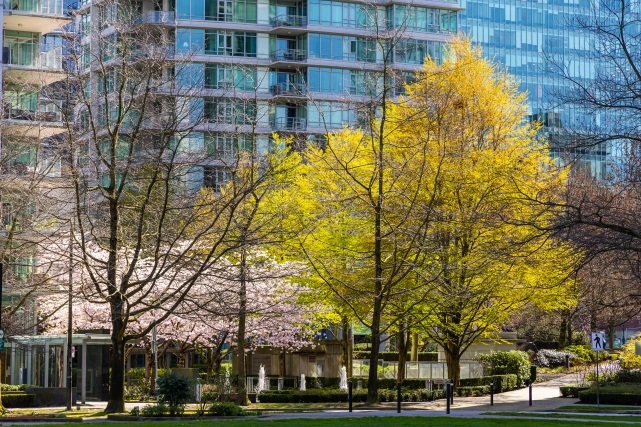
Urban forestry is more than just planting a few street trees or trimming branches away from roofs. It’s the science and practice of caring for all the trees where people live, work, and play—every street tree, park grove, backyard shade tree, and creek-side cottonwood.
If it’s a tree and it lives where people live, it’s part of the urban forest.
On this page, we’ll break down what “urban forestry” really means, why it matters in cities like Denver and across Colorado, and what you—as a homeowner, property manager, or community member—can do to help.
What Is Urban Forestry?
In simple terms, urban forestry is the management and care of trees in cities, towns, and suburbs. Instead of focusing on remote, rural forests and timber, it looks at all the trees woven into everyday life—what we call the urban forest. (For a deeper dive, see our full guide: What Is Urban Forestry?)
Urban forestry focuses on:
- Street trees along sidewalks and medians
- Trees in parks, schoolyards, and campuses
- Trees along creeks, canals, and greenbelts
- Trees on private property—yards, businesses, and HOAs
Urban foresters and arborists think about:
- Tree health – how individual trees grow, age, and respond to stress
- Tree safety – how to reduce risk from failing limbs and storm damage
- The canopy as a whole – how much shade the city has, and where it’s missing
- People and trees together – how trees interact with streets, utilities, buildings, and people
Your front-yard maple, the cottonwoods along the trail, the small ornamental by your driveway—they’re all pieces of the same living infrastructure.
Why Urban Forestry Matters
Healthy urban forests aren’t just “nice to have.” They provide real, measurable benefits to people and neighborhoods.
1. Cooling and Comfort
Trees:
- Cast shade that can lower surface temperatures by dozens of degrees on hot summer days
- Reduce the urban heat island effect by shading pavement and buildings
- Make sidewalks, playgrounds, and patios usable for more of the year
In a warming climate, this cooling effect isn’t a luxury—it’s a form of local climate resilience.
2. Cleaner Air and Better Health
Leaves act like natural filters. Trees:
- Capture dust and particulate matter
- Absorb pollutants like ozone and nitrogen dioxide
- Produce oxygen and improve overall air quality
Neighborhoods with more trees often see:
- Lower rates of heat-related illness
- Better mental health and reduced stress
- More people walking, biking, and using outdoor spaces
3. Stormwater and Erosion Control
Urban forests help manage water:
- Canopies slow down raindrops before they hit the ground
- Roots help water soak into the soil instead of running off
- Trees stabilize stream banks and slopes, reducing erosion
This means less pressure on storm drains and fewer flash-flooding issues during big storms.
4. Habitat and Biodiversity
Even in dense cities, trees create habitat:
- Birds nest and forage in branches
- Pollinators visit blossoms
- Small mammals use trunks, cavities, and understory cover
A diverse urban forest—mixes of species, ages, and structures—supports far more wildlife than a bare neighborhood.
5. Property Value and Quality of Life
Trees:
- Increase curb appeal and property values
- Make streets feel calmer and more welcoming
- Encourage outdoor activity and neighborhood interaction
In short, urban forestry is about health, safety, comfort, and long-term value—not just aesthetics.
The Urban Forest as an Ecosystem
It’s easy to see trees one at a time: “my ash,” “that cottonwood by the trail,” “the elm over the street.” Urban foresters see them as part of a connected system.
That system includes:
- Canopy layer: Tall shade trees and mid-sized ornamentals
- Understory: Shrubs, small trees, and groundcover
- Soils and roots: The living foundation that supports everything above
- Wildlife: Birds, insects, and mammals that move seeds and pollen
- People and infrastructure: Sidewalks, roads, power lines, and buildings
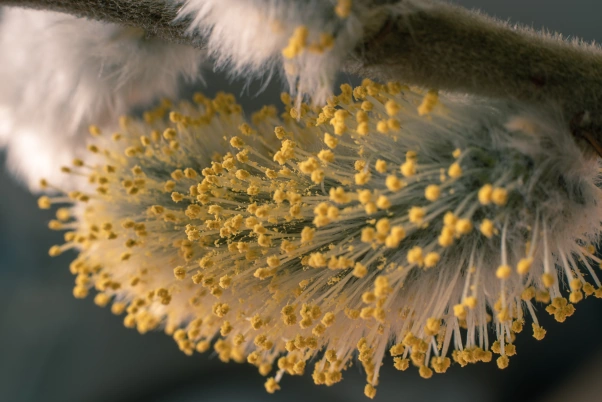
If you want to understand how that system renews itself, our post on how trees reproduce with help from their friends is a good primer on pollen, seeds, and the constant cycle of new growth.
Who’s Responsible for Urban Forestry?
Urban forestry is a team effort. Different players have different roles:
City and County Forestry Departments
They typically manage:
- Street trees in public right-of-way
- Trees in parks, medians, and public facilities
- Tree inventories and canopy cover goals
- Ordinances related to planting, removal, and protection
In many cities, they also handle storm response and emergency removals after major weather events.
Utility Companies
Utilities care about reliability and safety around power lines. They:
- Prune trees near overhead lines
- May remove trees that can’t be safely maintained
- Coordinate with city foresters and private arborists when work overlaps
Private Tree Services and Arborists
Companies like your local Urban Forestry Tree Service work on:
- Trees on private property (homes, businesses, HOAs)
- Risk assessments, pruning, removals, and planting projects
- Construction protection and root-zone management
- Consulting with property owners on long-term tree plans
They’re the ones you call when a limb is hanging over the house, a trunk looks suspicious, or you want help planting trees that will actually thrive in your space.
Homeowners and Property Managers
This is where you come in. You’re responsible for:
- Day-to-day care of the trees on your property
- Watering, mulching, and basic Tree Care 101
- Calling professionals when work is beyond your tools or comfort level
- Supporting good planting, pruning, and protection decisions
Urban forestry succeeds when everyone recognizes they’re caring for pieces of a shared forest, not just isolated trees.
Core Practices in Urban Forestry
Urban forestry includes a handful of core practices that all work together.
1. Planning and Planting
Good urban forestry starts with questions like:
- Where is the canopy too sparse or missing entirely?
- Which species are over-planted and vulnerable to pests or disease?
- What trees are best suited to local climate and soil?
On the ground, that turns into:
- Street tree planting programs
- Park and greenbelt plantings
- Homeowner and HOA planting projects
If you’re in Colorado, timing matters. Our guide on the best time of year to plant trees in Colorado breaks down why spring and early fall are so important.
2. Early Care and Structural Pruning
Young trees need:
- Deep, consistent watering in their first 2–3 years
- Mulch to protect roots and keep mowers/weed-whackers at a distance
- Light pruning to develop a strong structure (single main trunk, well-spaced branches)
Early care is cheap and high-impact. A little effort now can prevent expensive failures later.
3. Mature Tree Care and Risk Management
As trees get bigger, the stakes go up. Urban forestry focuses on:
- Regular inspections for decay, cracks, and weak branch unions
- Targeted pruning to remove dead, broken, or hazardous limbs
- Supporting high-value trees through drought, pests, and storms
Sometimes the safest choice is removal and replacement—especially for large trees in poor condition over homes, driveways, or power lines. When that happens, urban forestry aims to re-plant so the canopy doesn’t shrink over time.
4. Tree Protection During Construction
Nothing stresses trees like construction. Heavy equipment, grade changes, and trenching can quietly destroy root systems.
Good practices include:
- Fenced tree protection zones where equipment and materials are kept out
- Careful planning of utility trenches and driveway/sidewalk routes
- Avoiding piling soil or debris against trunks
A tree can look fine the year after a new driveway or addition—and then slowly decline for years afterward if roots were heavily damaged.
5. Pest and Disease Management
Urban forests can be hit hard when a pest finds a favorite species planted everywhere.
Urban forestry aims for:
- Species diversity so one pest doesn’t wipe out half the canopy
- Monitoring for early signs of insect or disease issues
- Targeted treatments where appropriate
- Long-term plans to phase out vulnerable species and replant smarter
Healthy individual trees are more resistant, too—which circles back to proper watering, mulching, and pruning.
6. Storm Response and Emergency Work
Heavy snow, windstorms, and ice events can cause:
- Limb failures over streets and power lines
- Whole-tree failures on saturated or unstable soils
- Hazardous hangers in parks and backyards
Urban forestry includes:
- Emergency response and clearing
- Post-storm risk assessments
- Decisions about which trees can be saved, repaired, or need removal
This is where professional climbers and crane work often come into play—definitely not a DIY arena.
Urban Forestry in Colorado and the Front Range
Colorado’s climate gives urban foresters some unique challenges:
- High altitude and intense sun: More UV stress on bark and leaves
- Low humidity and frequent drought: Trees need careful tree care and watering plans
- Alkaline, compacted soils: Hard on roots and nutrient uptake
- Large temperature swings: Late freezes can damage buds, blossoms, and new growth
That’s why species selection and siting matter so much. Native and adapted trees—like the native Denver cottonwoods along creeks and rivers—play a big role in stabilizing corridors and providing shade, even if they’re not always the right choice for every front yard.
Urban forestry here is a constant balancing act:
- Shade vs. root conflicts
- Growth vs. water restrictions
- Tree needs vs. sidewalks, driveways, and utilities
Common Challenges in Urban Forestry
No city has a perfect urban forest. Some of the biggest challenges include:
Limited Space and Soil Volume
Trees often have to squeeze roots into:
- Narrow strips between sidewalk and curb
- Tiny parking lot islands
- Heavily compacted front yards
Small rooting areas mean more stress, faster decline, and higher maintenance needs.
Infrastructure Conflicts
Trees and infrastructure are always negotiating space:
- Sidewalk heaving from roots
- Overhead limb conflicts with power lines
- Branches rubbing roofs, gutters, and siding
Urban forestry tries to anticipate these conflicts with smart planting and species choice, then manage them with good pruning as trees grow.
Budget and Maintenance Backlogs
Public trees compete with many other priorities in city budgets. That can lead to:
- Deferred pruning and inspections
- Slow response times for non-emergency issues
- Limited planting compared to removals
That’s one reason trees on private property are so important—homeowners and businesses can help carry some of the load.
Canopy Equity
In many cities, some neighborhoods are lush and shaded while others are nearly tree-less. Urban forestry planning increasingly considers:
- Which areas are most vulnerable to heat
- Where residents have the least access to shade and green space
- How to prioritize planting and maintenance in the neighborhoods that need it most
What Homeowners Can Do for the Urban Forest
You don’t need to be a city forester to support urban forestry. Simple steps on your own property add up.
- Care for the trees you already have. Follow basic Tree Care 101 principles—deep watering, mulching, and careful pruning.
- Plant smart. Choose species suited to your lot, your soil, and Colorado’s climate. Check the best time of year to plant trees in Colorado before you dig.
- Protect roots and trunks. No parking on the root zone, no mower or string trimmer scars on bark.
- Report issues with public trees. If you see a street tree with major damage, deep cracks, or hanging limbs over the road or sidewalk, report it to your city.
- Call a professional when needed. Large limbs over homes, big structural defects, or storm damage are not DIY jobs.
When thousands of individual properties are managed thoughtfully, the entire urban forest becomes healthier, safer, and more resilient.
How Professional Tree Services Support Urban Forestry
A good tree service company doesn’t just “cut trees”—it supports the goals of urban forestry:
- Keeping mature trees safe and healthy as long as possible
- Removing high-risk trees and replanting when necessary
- Helping homeowners match the right tree to the right place
- Protecting valuable trees during construction and landscaping projects
- Educating property owners about long-term care
Working together—city foresters, utilities, tree services, and homeowners—we can build and maintain urban forests that:
- Cool our neighborhoods
- Manage stormwater
- Provide habitat
- Increase property value
- Make streets and parks places people want to be
That’s urban forestry in a nutshell: taking care of the trees that take care of us.