Most people think of “forestry” as big pine forests, logging trucks, and mountain trails. But what about the trees along your street, in your local park, or shading your driveway?
That’s where urban forestry comes in.
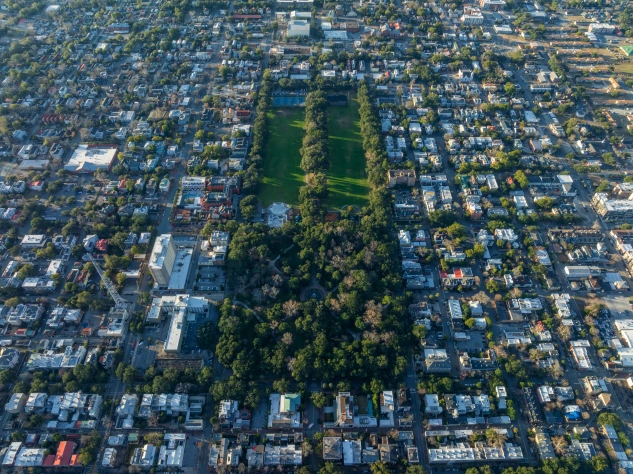
Urban forestry is simply the care and management of all the trees where people live—not just in the wild.
This article breaks down what urban forestry is, how it’s different from traditional forestry, and why it matters for your neighborhood.
The Short Answer: What Is Urban Forestry?
Urban forestry is the science and practice of managing trees in cities, towns, and suburbs.
It includes:
- Street trees along sidewalks and medians
- Trees in parks, greenbelts, schoolyards, and campuses
- Trees along creeks, canals, and drainage ways
- Trees on private property—yards, businesses, and HOAs
Urban foresters and arborists focus on:
- Keeping trees healthy and safe
- Growing and protecting the urban tree canopy (the amount of area covered by tree crowns)
- Balancing trees with buildings, roads, power lines, and people
For a deeper dive into the big-picture side of this work, see our full guide: Urban Forestry: Why City Trees Matter and How We Care for Them.
How Urban Forestry Differs From Traditional Forestry
Traditional forestry usually focuses on:
- Large rural forests
- Timber production and harvesting
- Wildlife habitat and watershed protection at big scales
Urban forestry focuses on:
- Individual trees and small groups mixed in with people and infrastructure
- Street safety, property protection, and shade
- Day-to-day interactions between trees, traffic, utilities, and buildings
Instead of deciding how many acres to harvest, urban foresters and arborists are deciding:
- Is this big tree over the house safe?
- What should we plant in this tiny strip between sidewalk and street?
- How do we grow more shade in neighborhoods that barely have any trees?
The Urban Forest: More Than Just Street Trees
When professionals talk about “the urban forest,” they mean all the trees in and around the city, public and private.
That includes:
- Street trees
- Park and open space trees
- Golf course and cemetery trees
- Creek and river corridor trees
- Front-yard and back-yard trees
Your maple, your neighbor’s spruce, and the cottonwoods along the trail are all pieces of the same system.
What Urban Foresters and Arborists Actually Do
Urban forestry is a mix of planning, hands-on work, and education.
Planning the Urban Forest
Urban foresters help cities and communities:
- Map existing tree canopy
- Set goals for planting more trees (especially in hotter, low-canopy neighborhoods)
- Decide which species to plant to avoid over-relying on just one kind of tree
- Write ordinances and guidelines for tree protection, planting, and removal
Caring for Individual Trees
Certified arborists and tree care crews:
- Prune trees for safety and health
- Remove hazardous or failing trees
- Diagnose pests, diseases, and structural problems
- Plant new trees and provide early care
On private property, that’s where you’re most likely to interact with urban forestry—when you call someone out to look at a tree in your yard.
Responding to Storms and Emergencies
When heavy snow, ice, or wind brings trees down, urban forestry shifts into emergency mode:
- Clearing fallen limbs from roads and sidewalks
- Making damaged trees safe
- Deciding which trees can be saved and which need to come down
After the emergency work, there’s usually a second phase focused on replanting so canopy isn’t permanently lost.
Why Urban Forestry Matters for Your Neighborhood
Urban forestry isn’t just a technical term. It directly affects how your neighborhood feels and functions.
Cooling and Comfort
Trees:
- Cast shade on pavement, roofs, and sidewalks
- Help reduce energy use by cooling buildings
- Make streets and parks more comfortable on hot days
Neighborhoods with good tree canopy are noticeably cooler than bare ones.
Air, Water, and Soil
Urban trees:
- Filter dust and some air pollutants
- Slow down rain, helping more water soak into the ground
- Stabilize slopes and stream banks with their roots
That means cleaner air to breathe and less pressure on storm drains during big storms.
Wildlife and Green Space
Trees:
- Provide habitat and food for birds, insects, and small mammals
- Connect green spaces into “corridors” that wildlife can move through
- Make outdoor spaces more inviting for people too
Even a small yard tree adds to that patchwork of habitat.
Property Value and Safety
Good urban forestry also means:
- Higher curb appeal and property value
- Fewer surprise failures from neglected, hazardous trees
- Clearer standards for how trees near sidewalks, roads, and power lines are handled
Who Is Responsible for Urban Forestry?
Responsibility is shared:
- Cities and counties manage public trees in parks, rights-of-way, and facilities.
- Utilities handle clearance around power lines.
- Tree services and arborists handle most private property work.
- Homeowners and property managers care for the trees on their own land.
If you’ve ever watered a young tree, mulched around a trunk, or hired a pro to prune a large limb, you’ve already participated in urban forestry.
How You Can Support the Urban Forest
You don’t need a degree in forestry to help. A few simple actions go a long way:
- Care for your existing trees with proper watering, mulching, and pruning.
- Plant wisely—choose species that fit your space and climate.
- Protect roots and trunks by avoiding mower and weed-whacker damage and not parking on the root zone.
- Report dangerous public trees (broken limbs over roads, obvious hazards) to your city.
- Ask questions—when in doubt about a tree’s safety or health, talk with a certified arborist.
The Bottom Line
Urban forestry is simply the organized way we grow, protect, and care for trees where people live.
It connects:
- Big-picture planning (canopy goals, species diversity)
- Day-to-day care (watering, pruning, risk management)
- Individual decisions you make about the trees in your yard
Put it all together, and urban forestry is how we make sure the trees that shade our streets and homes are still there—healthy, safe, and thriving—for the next generation.