If you Google “define urban forestry,” you’ll see a lot of technical answers that feel like they were written for a textbook, not a homeowner or city resident.
Let’s fix that.
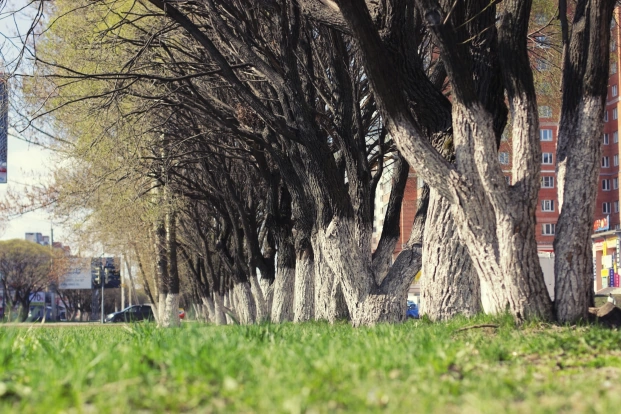
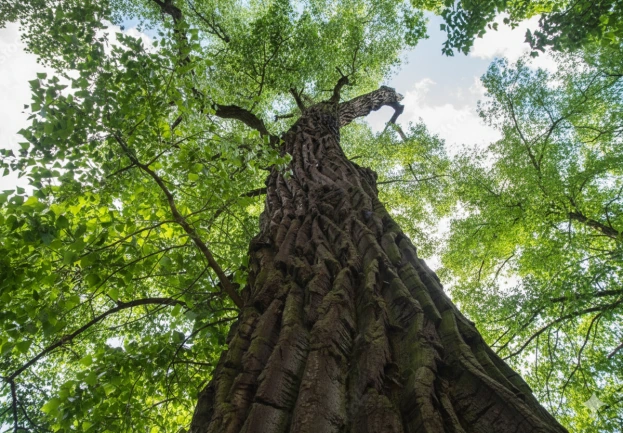
Urban forestry is the care and management of all the trees in cities and towns—from street trees and park trees to the big maple in your front yard.
That’s the short version. Now let’s unpack it.
A Simple Definition of Urban Forestry
Here’s a clear, working definition you can use:
Urban forestry is the science and practice of managing trees and forests in cities, towns, and suburbs to improve health, safety, and quality of life for people.
Key ideas baked into that:
- It’s about trees where people live (not remote mountains).
- It covers all urban trees, public and private—not just one park or street.
- It’s focused on benefits (shade, cooling, safety, beauty, habitat, and more).
If you want a more story-driven breakdown, check out What Is Urban Forestry?.
What Counts as the “Urban Forest”?
When we define urban forestry, we also have to define the urban forest itself.
The urban forest includes:
- Street trees along sidewalks, medians, and parking strips
- Park trees in playgrounds, sports fields, and open spaces
- Creek and greenbelt trees along rivers, canals, and drainage ways
- Private trees in yards, HOAs, campuses, and business properties
Your front-yard ash, your neighbor’s spruce, and the cottonwoods along the trail are all part of the same living system.
Urban forestry is the work of understanding, planning, and caring for that system.
For single-tree care at the homeowner level, see Tree Care 101: How to Keep Your Trees Healthy.
How Urban Forestry Differs From Traditional Forestry
Traditional forestry:
- Focuses on large, rural forests
- Often emphasizes timber production, habitat, and watershed protection
- Deals with big landscapes and long rotations
Urban forestry:
- Focuses on trees mixed with buildings, roads, and utilities
- Emphasizes shade, safety, health, and livability
- Deals with individual trees and small groups that still add up to a forest
Both care about tree health and forest function, but urban forestry has to constantly balance trees with sidewalks, houses, power lines, traffic, and people.
What Urban Foresters and Arborists Actually Manage
When we define urban forestry as “care and management,” what does that include?
1. Planning the Urban Forest
- Mapping existing tree canopy
- Setting canopy goals for neighborhoods
- Choosing which species to plant (and which to avoid over-planting)
- Prioritizing where new trees and parks should go—especially in hot, low-canopy areas
This is the strategic side of urban forestry.
2. Caring for Individual Trees
This is where urban forestry overlaps with arboriculture:
- Pruning for structure, clearance, and safety
- Removing hazardous or declining trees
- Planting and establishing new trees
- Diagnosing pests, diseases, and soil or root problems
Certified arborists and tree care crews do most of this work on the ground.
3. Balancing Trees and Infrastructure
Urban forestry constantly negotiates between:
- Tree roots and sidewalks, driveways, and pipes
- Branches and power lines, roofs, and traffic
- Shade and solar panels, signage, and sightlines
The goal isn’t “trees at any cost” or “infrastructure first, trees later”—it’s a workable balance.
Why the Definition of Urban Forestry Matters
Having a clear definition isn’t just academic. It affects:
City Decisions
When cities see trees as infrastructure (not just decoration), they’re more likely to:
- Budget for pruning, planting, and risk management
- Protect trees during construction
- Plan canopy goals and equitable shade
Neighborhood Conversations
A shared definition helps neighbors talk about:
- Why some streets are shaded and others are bare
- Why large, older trees are worth protecting when possible
- Why species diversity matters (so one pest doesn’t wipe everything out)
Homeowner Choices
When you understand urban forestry, you start to see your own trees differently:
- They’re not just “your tree”—they’re part of the urban forest.
- Your watering, pruning, and planting choices ripple out into the neighborhood.
- Calling a pro for big work isn’t just about your house; it’s about long-term canopy health and safety.
Related Terms: Arboriculture and Urban Ecology
While we’re defining things:
- Urban forestry – Managing the whole urban forest (all city trees).
- Arboriculture – Caring for individual trees, especially in built environments.
- Urban ecology – Studying how trees, plants, animals, people, and the built environment all interact.
Our article on What Is the Study of Urban Trees Called? breaks down how these pieces fit together.
The Bottom Line: Define Urban Forestry
If you need one sentence you can drop into a report, conversation, or website, use this:
Urban forestry is the science and practice of managing trees and forests in cities, towns, and suburbs so they stay healthy, safe, and beneficial for the people who live there.
Everything else—planning, pruning, planting, policy, and homeowner care—is just the “how” behind that definition.