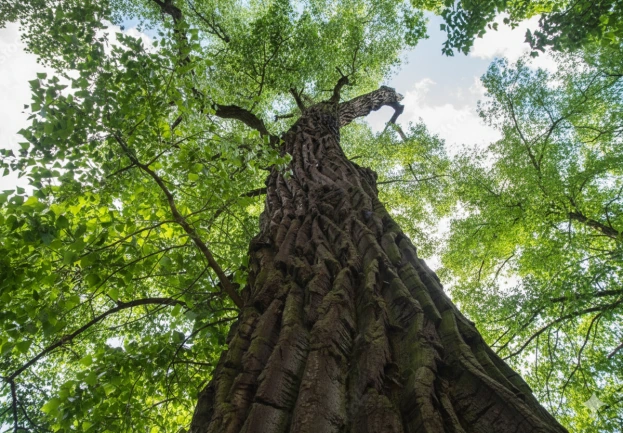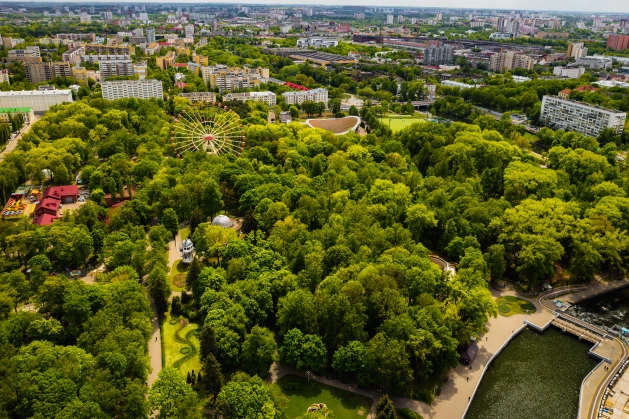
When people hear “urban forest,” they often picture a single park or a random line of street trees. In reality, an urban forest usually means all the trees in and around a city—public and private—working together as one big, living system.
If it’s a tree and it lives where people live, it’s part of the urban forest.
To make that idea less abstract, let’s look at some real-life examples you can actually see on a map (and in photos).
For the full definition side of things, see Urban Forestry: Why City Trees Matter and How We Care for Them and What Is Urban Forestry?.
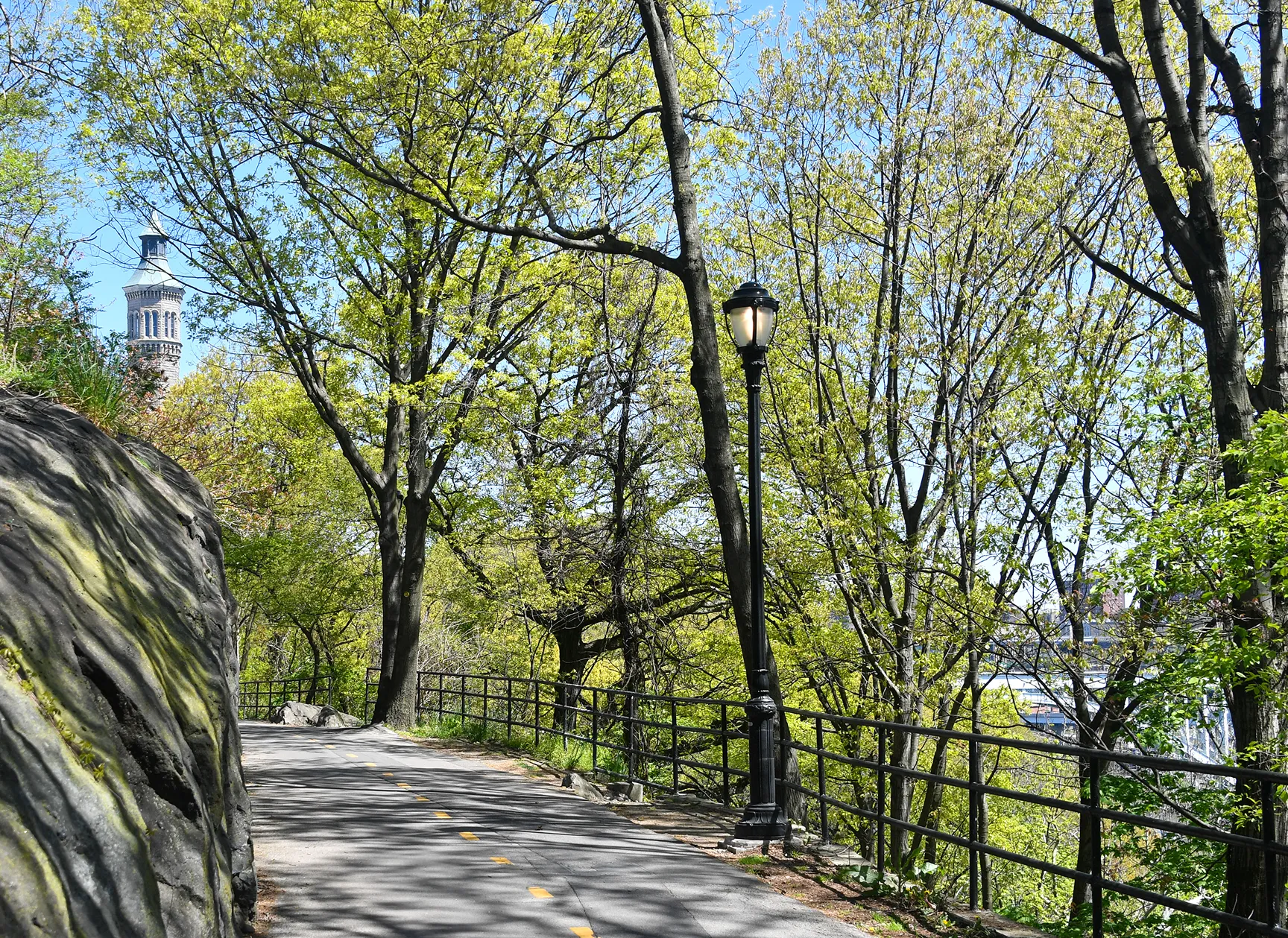
New York City officially defines its urban forest as all the trees across the five boroughs—more than 7 million trees spread through streets, yards, parks, campuses, businesses, and natural areas.
That includes:
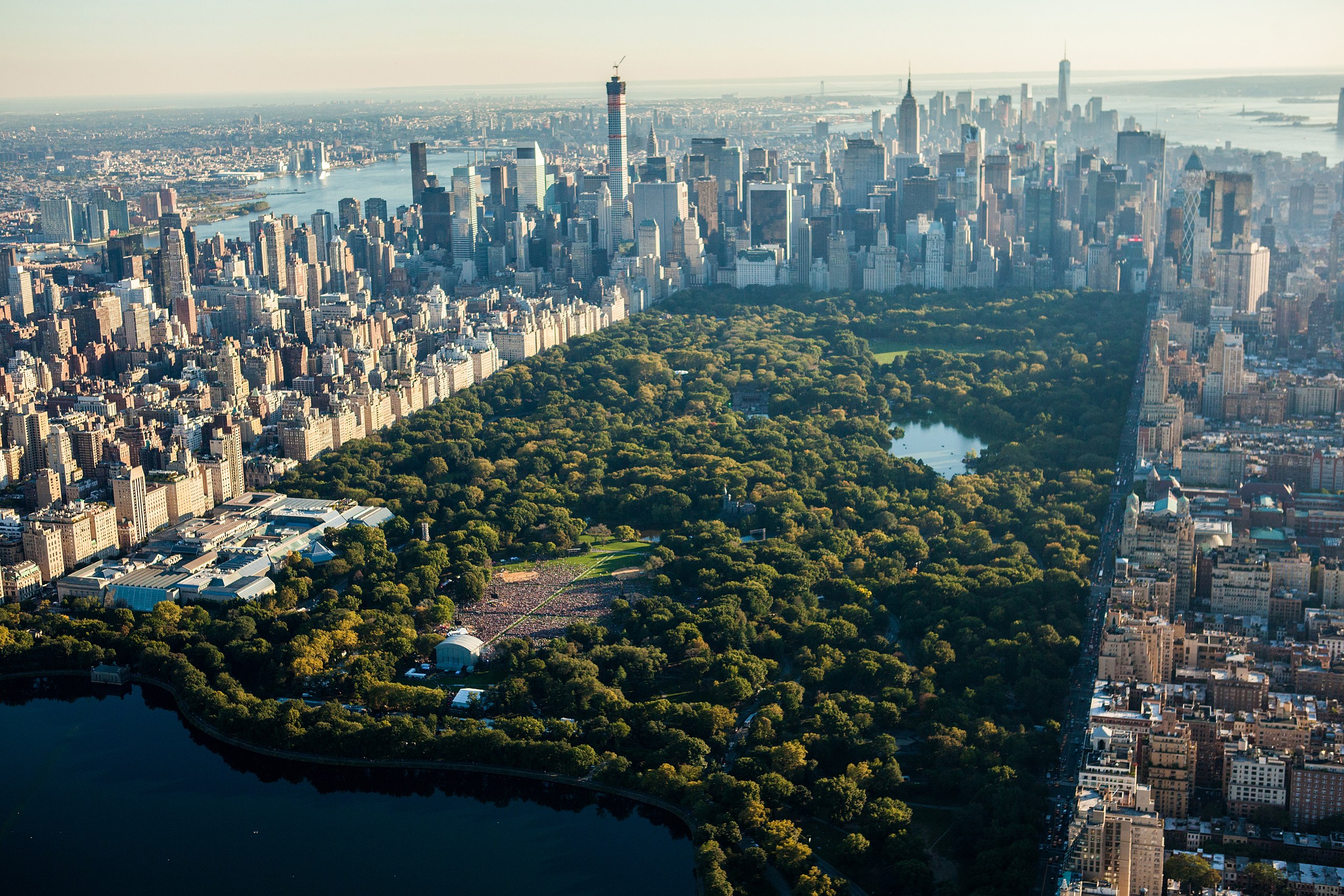
Central Park is 843 acres of lawns, meadows, lakes, and wooded areas in the middle of Manhattan. Its 18,000+ trees help cool the surrounding “urban heat island” and act as a dense, park-scale urban forest patch inside a much larger city forest.
Within the park, you’ll find true woodland-style areas:
All of those are classic “this feels like a forest” examples even though you’re still in the middle of a huge city.
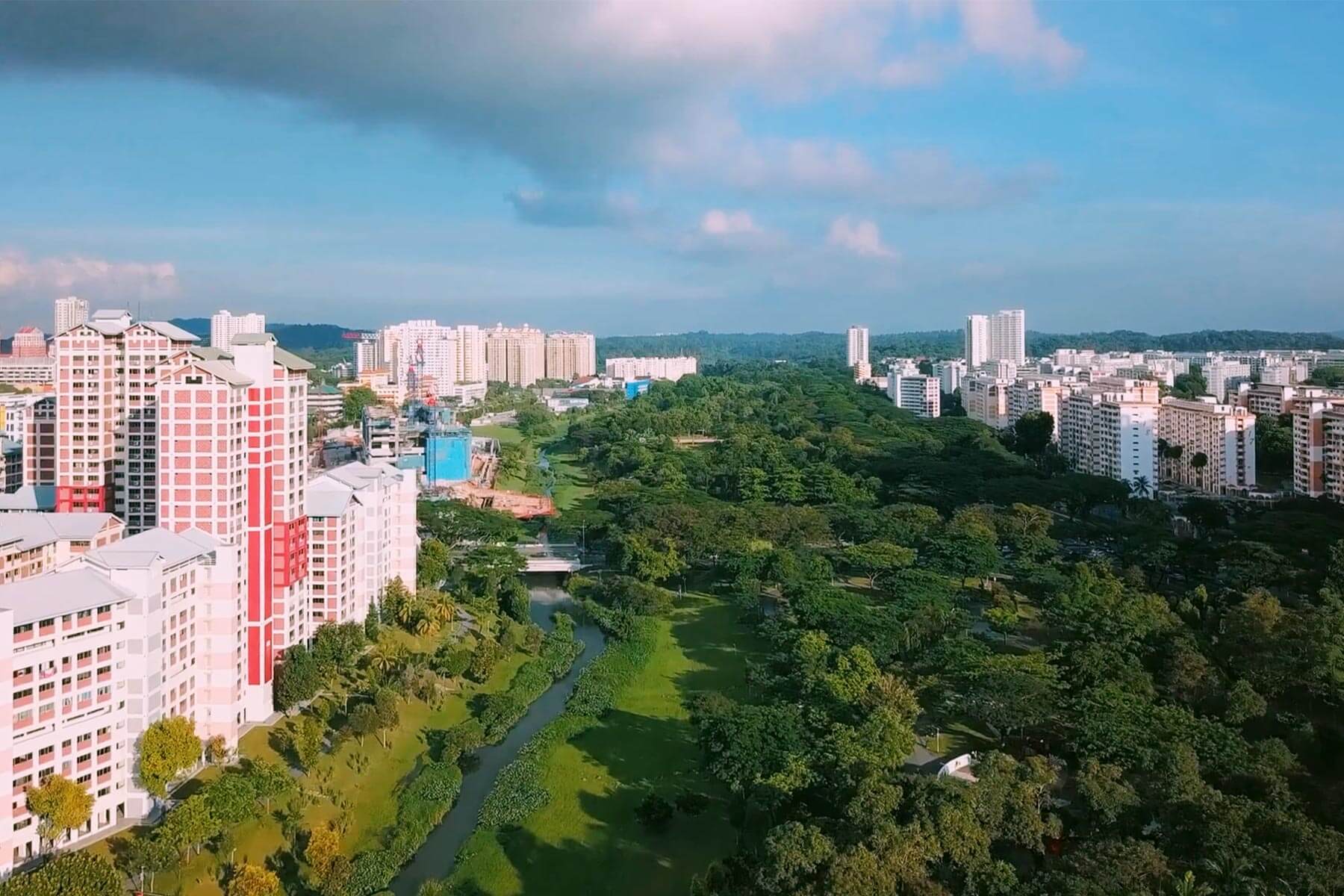
Singapore brands itself as a “City in Nature”—and it’s a great real-world example of treating the entire city as an urban forest system. The National Parks Board (NParks) manages a huge network of parks, streetscapes, park connectors, and nature reserves, all woven into dense urban development. Default+1
Key pieces of Singapore’s urban forest:
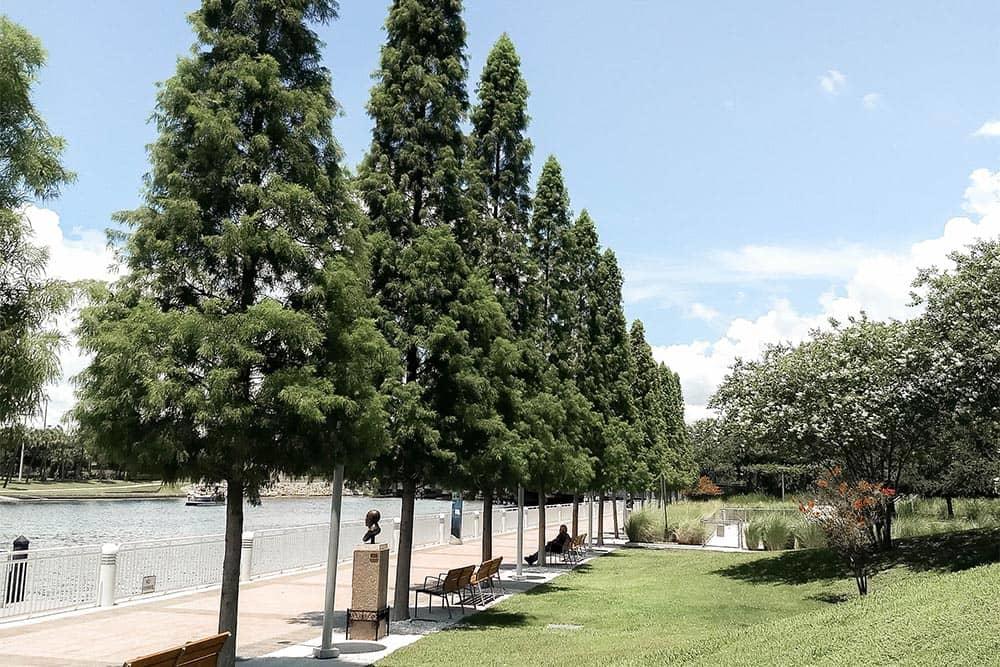
Tampa describes its urban forest as a combination of:
It has a formal Urban Forestry Team responsible for the care and maintenance of trees in 178 parks and along over 1,400 miles of streets.
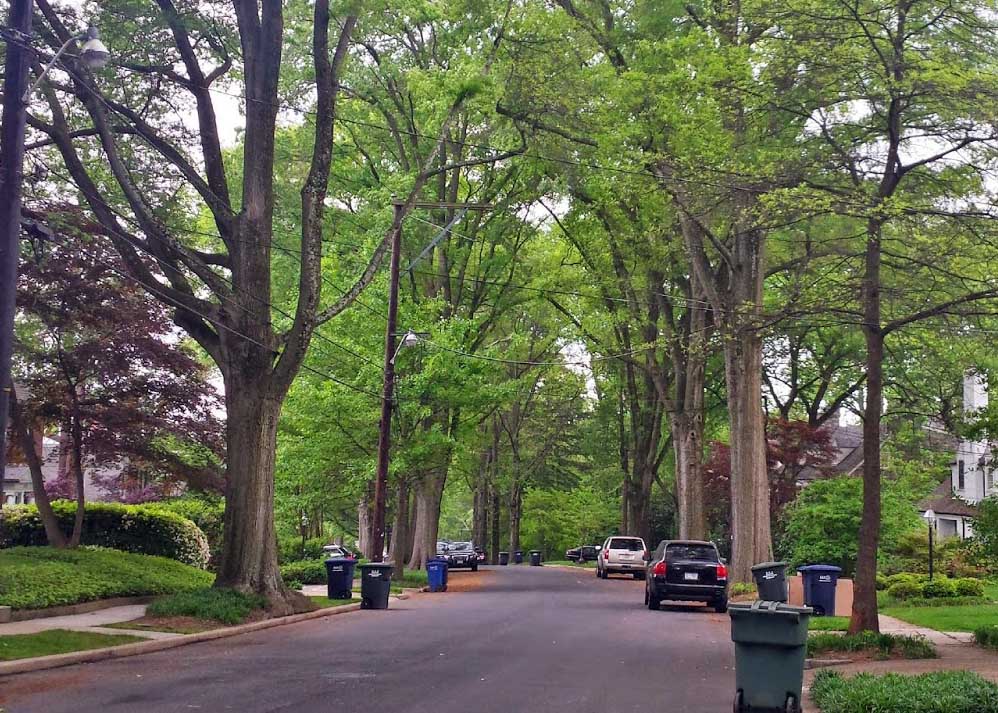
The U.S. National Park Service highlights several parks and protected areas around Washington, D.C., as part of the urban forest of the National Capital Area—places like Rock Creek Park, National Capital Parks-East, and Prince William Forest Park. Many of these have more than 50–80% forest cover while still sitting in a heavily urbanized region.
From these examples, you can see that an urban forest isn’t just one thing:
In every case, you’re looking at: